




How to Identify Fake Online Reviews in 2026
Fake reviews or feedback are the comments that are agenda-driven and not the true sentiments of an actual buyer of a product or service. These fake reviews are usually written by paid individuals, bots, or the competitors of a business with a hidden motive of harming the online reputation of the business. In fact, fake reviews have turned out to be a major concern in modern-day marketing, and businesses are compelled to hire professionals to restore and maintain their reputation.
Spotting and identifying these fake reviews is quite critical for businesses of all scales, irrespective of their size and budget. Because fake reviews have the potential to harm the reputation and put the sales on a nosedive overnight. So, as a smart entrepreneur, one must bear in mind that the modern-day challenges of business are quite different from those of the past.
At The Trust Search, we make sure that businesses do not suffer any such reputational loss. Our integrity team consists of professionals who manually screen each review and feedback to filter out any suspicious comments. It guarantees that customers enjoy the full freedom of expression, and meanwhile, businesses enjoy the spotlight with growth that is worth every single penny.
Importance of Online Reviews for Businesses and Sales?
Well, several recent surveys suggest that almost a whopping 90 percent of buyers are influenced by the reviews they read online. There is a natural phenomenon behind these statistics. Common users of potential customers tend to trust the views of commoners more than the marketing stuff. They believe that these are people like us and more relatable, so their word can be trusted.
Around 74% of buyers agreed that they wouldn’t prefer buying a product or service with negative reviews and ratings. So reviews are comfortably the most powerful marketing tool today. Businesses request their happy customers for reviews. They also proactively keep a stern check on suspicious and malicious reviews and hire reputation management companies to tackle this issue.
What Inspires Fake Reviews Online?
Well, this is a sensitive question to say the least. Multiple reasons inspire fake reviews. In some cases, there are petty financial interests of individuals. Sometimes these are quite systematic in toeing a massive agenda of reputational harm. And sometimes, just a jealous competitor may spike this spree to harm the reputation of a challenging business. On the other hand, it’s always about money and profit-making.
As mentioned earlier, fake reviews are such an emerging issue for almost all businesses of all scales that they have given birth to whole new dimensions of marketing companies, i.e., reputation management. The sole purpose of such professionals is to recover from the reputational damage and restore the previous image of a brand that was tarnished by fake reviews or user feedback.
How to Practically Identify the Fake Online Reviews?
Cautiously Look at The Chronology
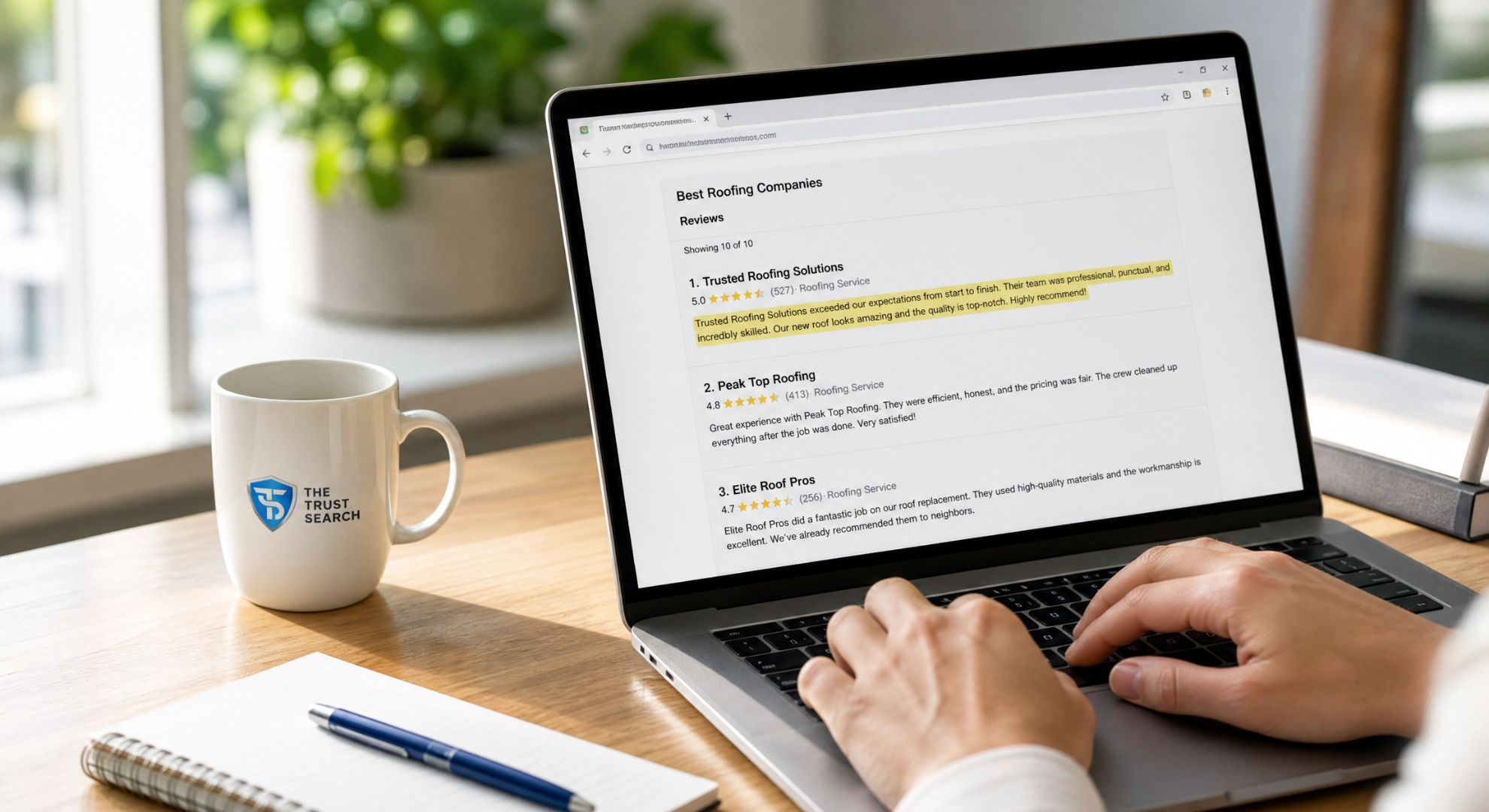
Whenever your business is subjected to an outburst of criticism and fake reviews out of nowhere, at least beyond your comprehension, the first thing to look for is the date pattern. For instance, if a certain product or service is subjected to massive criticism within a short span of time and that product is not new, this is a clear indication that the criticism is maneuvered. In comparison, a list with a more diversified and mixed tone is more reliable.
Reconcile with the Purchase
The second thing you can do is to verify whether the comment is made by a verified customer or an anonymous person, who might be agenda-motivated and pursuing some covert mission or intent. While engaging with such reviewers, first make sure that they are actual buyers and not just beating about the bush. Because you cannot satisfy a person who didn’t buy your product and would never come to terms, since his agenda is to malign you.
Look for Too Good to Be True Kind of Expression
This is another sharp indicator to look for. The genuine customers usually don’t get overwhelmed while reviewing your product and use exceptional language or words that may sound fake or simply too good to be true. They would normally stay within the limits, would appreciate reasonably encouraging words, and would still highlight some areas where improvement is required. So in real life, there normally aren’t any ideal scenarios.
Look for Lack of Details
This is another smart signal to look for the lack of details. For instance, if the reviewer is a genuine customer, they will answer all your questions and look for ways of compensation. Therefore, he will not ignore or trick you into answering any of your questions regarding the details of the purchase, receipt, product details, date, etc. So you can instantly go for the details whenever you suspect a comment or review to be fake or agenda-driven. Once you get all the relevant details, you can cross-check them through your register and records.
Cautiously Scan the Language
This is again a critical signal that can clearly tell you about the credibility of the review. Just think from a buyer’s perspective. You have gone to a business, bought something, and you are not satisfied with the quality of the product or service. Would you go to the extent of using harsh words and denouncing the business in public? What kind of language would you opt for to spell out your dissatisfaction? It’s as simple as that. Carefully look at the content of the review, and you can comfortably conclude.
Watch out for Reviews with Similar Language
If you observe there are several reviews within a certain period of time using almost similar language and kinds of concerns in their comments, this is another clear indication that this campaign is premeditated, agenda-driven, and initiated by a concerned party in competition with your business. Such campaigns could be started against petty incentives, and even genuine individuals could be used for this purpose.
Beware of Social Media Reviews by Influencers
Social media influencers are a newly emerging paradigm in the marketing industry. Influencers who mostly come from humble and common backgrounds are more relatable to the masses. People instantly tend to believe what they say. The law clearly says that in such a case, an influencer must reveal the affiliation or financial gains from that particular brand.
Legislation Regarding Fake Reviews
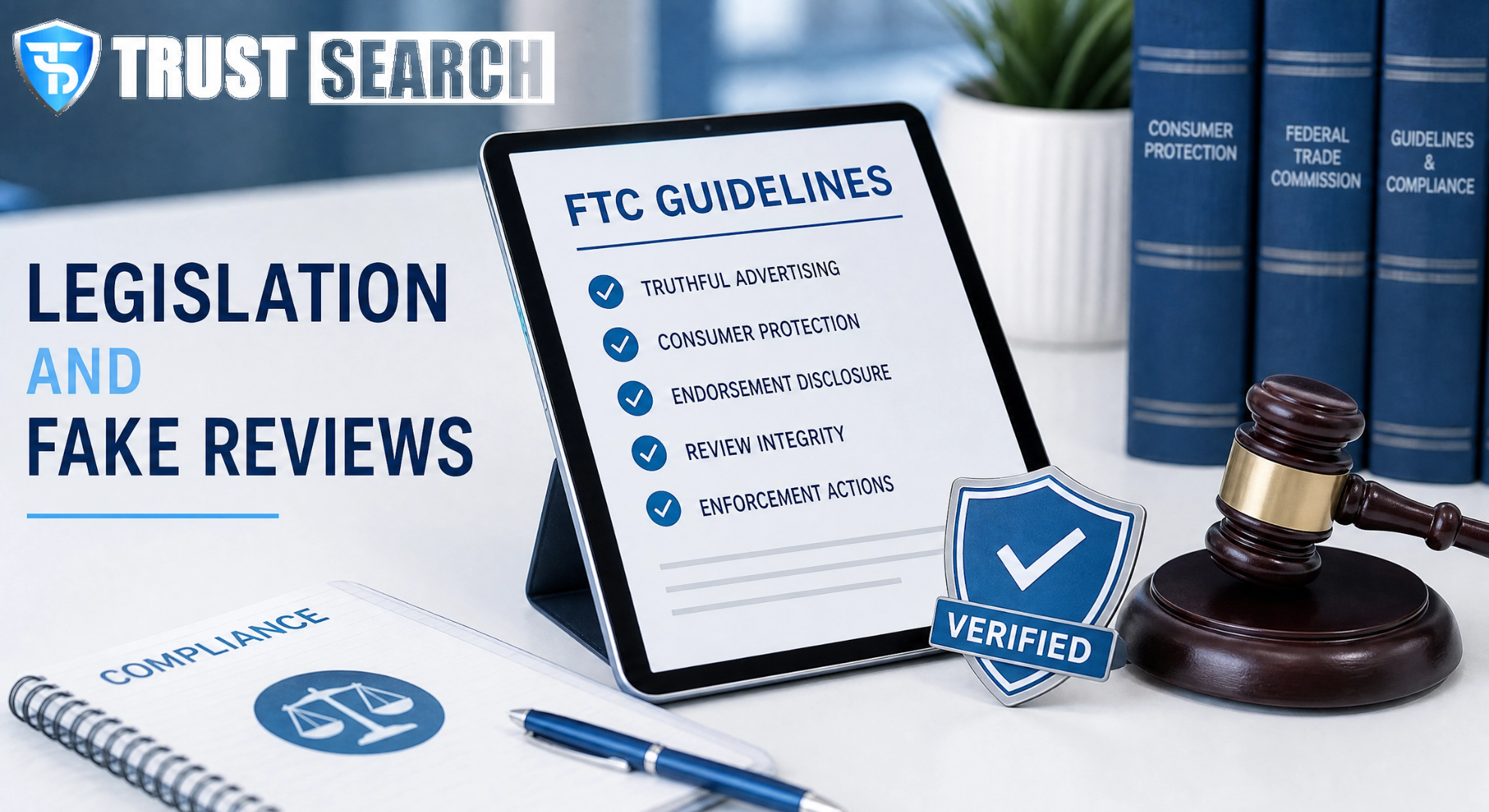
The matter of fake reviews emerged as too serious a matter to be ignored, and it compelled the relevant authorities to table required legislation for preventing fake reviews. The Federal Trade Commission devised laws regarding the prevention of fake reviews, where it set certain limits for regulation on the use of consumer reviews and testimonials. It laid down the foundation of a legal framework that is legally binding and has consequences in the event of a breach.
Below are the restrictions instead of this legislation:
A business cannot frame or display reviews that are not legitimate or were written by an anonymous person who doesn’t actually exist.
Businesses are strictly instructed to refrain from buying or selling fake reviews.
They cannot acquire reviews from the persons that are family, friends, or company insiders since their reviews would be considered biased and misleading for the general audience.
Businesses cannot suppress negative reviews through any means. It implies that they are bound to keep even the negative reviews upfront unless they are illegitimate or fake.
Businesses cannot deploy bots to falsely represent the popularity of their business since it is an unfair practice.
They cannot create a website to reflect the fake publicity and credibility of a business. Especially with such websites that are built with the sole purpose of building credibility for a particular business, it invokes a clear conflict of interest.
Different Types of Fake Reviews
Depending on the nature of reviews, we can categorize them as follows:
A fabricated or self-generated positive review written by the company or insiders with the pure intent of luring customers to purchase a product.
An incentivized review where a company sends some products free of cost and, in return, expects positive reviews from the receiver.
Any such review written by the friends or family of a competitor who is in direct competition with a business, with the intent to harm the reputation of that business.
Hiding or suppressing a negative review on a business’s website with the intention of keeping the masses away from it, unless the review is fake or agenda-driven.
Review hijacking is also a certain type of review where the company falsely represents a positive review and projects it for another product that was not the subject of that positive review. It means a business cannot project one review for the marketing of its entire product range through misrepresentation.
Frequently Asked Questions!
Why is it important to identify fake reviews?
There are plenty of disadvantages of fake reviews for businesses and customers alike. Fake reviews are misleading and can directly harm the reputation and sales of a business unjustly. Moreover, they also prevent the prospects from coming in and buying products. So their timely identification and removal are very important for the business.
How can fake reviews be spotted generally?
Well, there is no rule of thumb for this. However, professionals can surely identify them with accuracy using their experience and a couple of supporting tools. As a common businessman, you can look for several indicators and patterns. Look for the language used, watch out for the chronology of the reviews, and have a deeper look at the profile of the reviewer. See whether the reviews are extremely brief and lacking details or whether these are too good or too bad to be true. The reviewer has no previous profile history, etc.
How does your platform identify fake reviews?
We deploy a combination of highly trained and experienced professionals and some smart supporting tools that allow us to achieve an accuracy of up to 99%. We manually screen each review and look for all the above-mentioned patterns with extreme care. Even a minor suspicion on a review compels us to put it in front of the integrity team, and only after one hundred percent satisfaction is the review published. Because we believe in transparency and fairness for all. For us, customers and businesses are equally important.

