





How to Handle Reviews Like a Pro? Pro Tips.
Customer reviews are undoubtedly and undeniably the modern-day marketing currency. No business can survive without properly managing its online reviews. Initially, the backlash appears in the form of declining sales, which ultimately leads to closures.
I hope this explains the critical importance of customer reviews. Modern-day commerce has shrunk to the mere palms of customers’ hands. People conduct detailed research and quick product comparisons online. Just a decade ago, people feared buying anything online because they were neither confident nor accustomed to the experience.
Today’s customer can do all that needs to be done before shopping. For instance, he can overview the product from all angles, can compare the price with other brands, and can also be assured of the quality and value for money through customer reviews. Yes, it's that important. Here in this blog, we will quickly walk through some exceptional ways of handling negative reviews like a pro.
Don’t get offended - There’s nothing personal.
Negative reviews can feel like shockwaves throughout the body. These few harshly spelled words can be enough to spoil your mood for the rest of the day, especially if you own the brand or believe it was not your fault, especially if you own the brand or you think it wasn’t your fault at all. First and foremost, never take reviews personally.
Yes, these reviews may sound quite harsh, but they reflect the feelings of a disappointed buyer who believed your offerings were not worth the money. So your part here is not to counter the customer for a one-on-one argument; instead, you are supposed to address his grievances and deal with the matter quite professionally.
Fit into the customer’s shoes.
When you glance at a review for the first time, it may feel quite offensive and can easily ruin your mood. But, as said earlier, in order to behave professionally, you must see the complaint or review from the customer’s perspective. This would help you a lot in understanding the matter.
So once you start taking the right angle, you will be free from anger and in a better position to listen to the issue like a genuine professional. Just imagine how you would feel if you were the customer. What action could have consoled you the most? If the answer is reasonable, go for it in compensation.
Cross-verify and properly work up.
Always remember: when you receive a harsh or rude comment, never respond impulsively. If you respond impulsively, you’re just reacting like the unhappy customer, but the market expects you to stay composed and professional. Customers expect a brand to be understanding and to consider their perspective before anything else.
So, before making a response, cross-check all the details and communication, if any at all. Inquire into the entire transaction path. Talk to the relevant team to discuss if anything needs to be on your notice. After doing all your necessary homework, now is the time to respond as a properly equipped professional who knows everything and just wants to comfort you.
Don’t hide customer feedback from the public
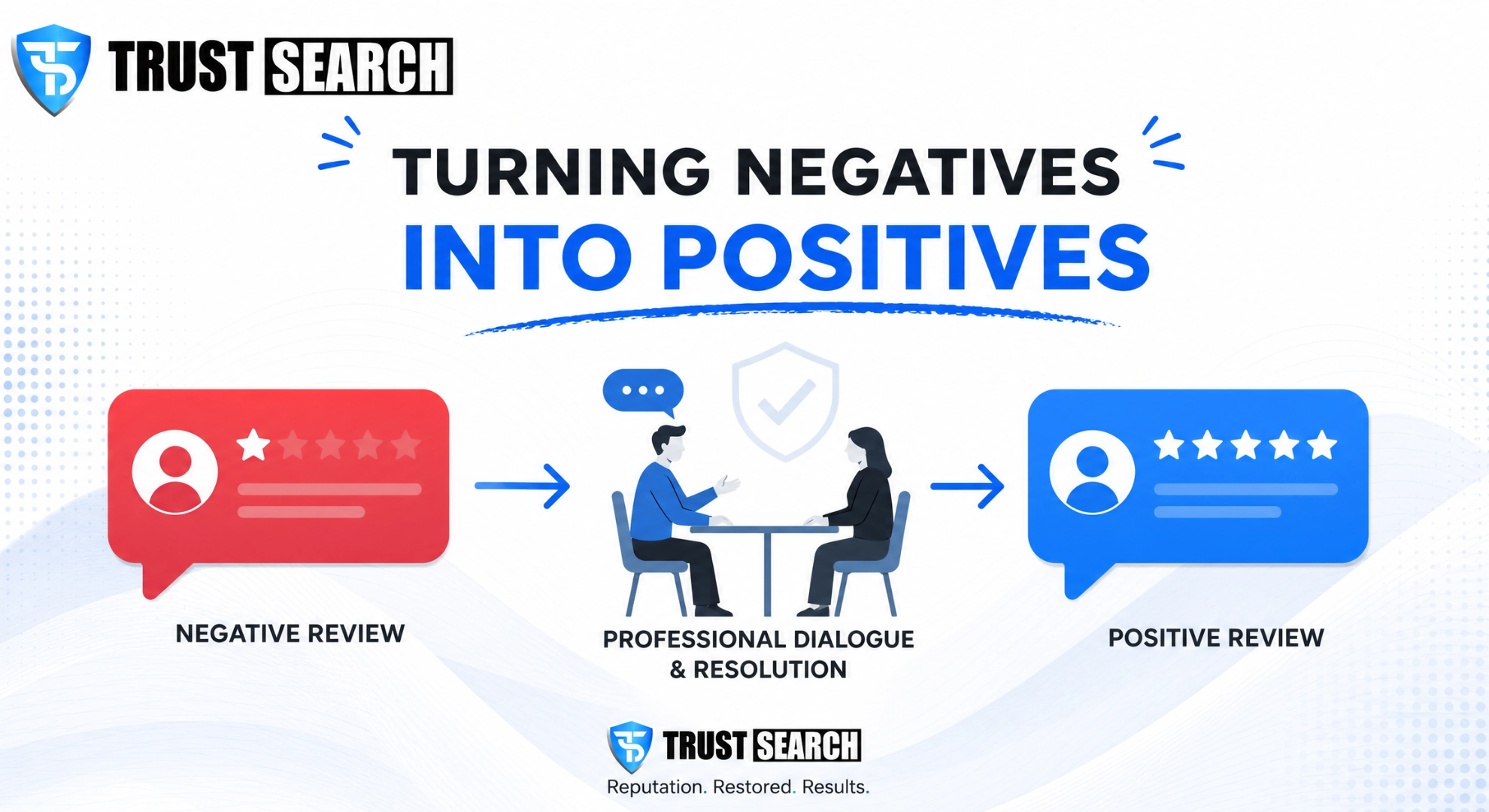
A naïve business owner might think that the testimonials section should only feature customers who love the products, making everything appear perfect. This isn’t how things work in the real world. No business achieves a hundred percent client satisfaction rate. Your business may also receive negative reviews, so don’t hide them.
You can make great use of the negative reviews. First, you can learn a lot from it. This is the pure customer feeling that you probably wouldn’t ever get as a business owner. So, better use the feedback for improvement. Furthermore, if you display the negative review along with a satisfactory response, it would further stir confidence in customers' hearts. This is how negative reviews can help.
Request revised feedback on redressal.
Once you start responding to the comments in a professional manner and try addressing their grievances, you will have a lot of happy reviewers at the end of the day.
So if a customer is happy with the way you handled their issue, you can comfortably ask for the edits or completely revised feedback, mentioning the redressal and showing satisfaction with the way things were handled.
Some practical tips on responding to negative reviews
Talking to an angry client is a complicated task. It takes guts, professionalism, and experience altogether to properly communicate with a person who recently purchased some of your product or service, and he believes the experience was not worth it. Or he may have some other concerns regarding the packaging, delivery, or otherwise. As a professional business representative, it is your responsibility to comfort him in any way possible.
Here we will talk about some practical tips that will complement your response process.
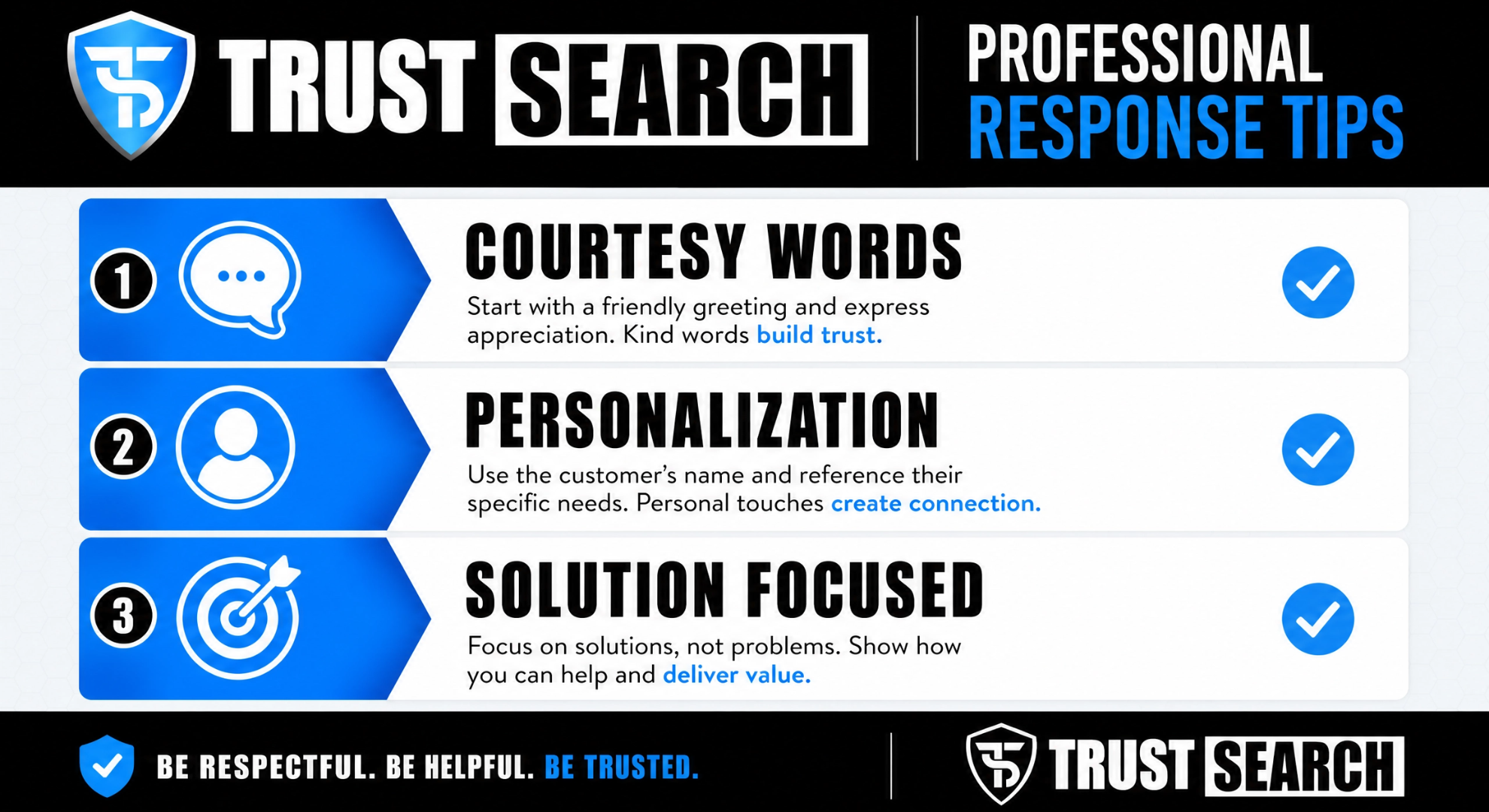
Use courtesy words
While talking to a dissatisfied customer, your language and overall behavior are the first gestures that can instantly impact the reader. So it is always smart to use some courtesy words in your conversation, like thank you, we appreciate it," "we are concerned about your issue," etc.
These courtesy words are the primary cushion that makes him believe his voice is heard and has value. He feels his issue is highlighted, and the company is professional and courteous enough to consider it for the solution. So the tone and tanner is the first confidence-building measures between the business and the customer.
Personalize your response
A response should always be personalized and not in the form of a pre-written template. Such a generic approach can further offend the aggrieved customer. So make sure to address the reviewer or customer by name. Refer to the particular product or service and the exact agent or salesperson he dealt with him.
Mention all the related details and also reproduce his concern to show his issue is registered and being processed under the concerned quarters. It further connects him with you by stirring hope for the redressal of the issue.
Emphasize your company’s policy.
It is always great to mention your company's policy about customer complaints. Mention that we believe in fair trade and transparency and value given to each customer as a company policy.
Tell the reviewer that we have a policy of full customer satisfaction,n and we try our level best to address all the issues within our constraints. We can even go the extra mile to make our customers happy and render them such an experience that they must visit us again.
Offer an appropriate solution.
Now this is the most critical point in your entire conversation. If you work out the issue properly and do your homework on all probable scenarios of compensation and come up with a clear mind about what you can offer, it works most of the time.
So instead of lingering on the issue and keeping arguing, make sure to offer something as a solution in return. Since in most cases a dissatisfied client would be looking for the solution in the form of compensation or any corrective measures. So, try to reach a quick solution. Although the compensation should always be done in private and not on public forums.
Promise a follow-up.
This is the final cementing measure that gives the complainant full confidence that all this discussion is not a marketing gimmick and his issue is in the process of being addressed.
You can offer him a follow-up after the closure of the matter and request a revised review in the future. This gesture stirs transparency and fair practice not only for the complainant but also for viewers and your prospects.
Frequently Asked Questions!
Why is review management important in the first place?
It is important because people have a certain view of your business in their minds. They may like or even dislike it. As a professional, listening to their opinions provides you with actionable insights. These insights help you take practical measures to improve your business. Furthermore, there can be false and fabricated feedback as well, produced by your rivals. If you address them right in time, your business doesn’t suffer any reputational damage. So today, when reviews are heavily relied upon by buyers, you cannot stay indifferent and must respond to maintain a positive reputation for your brand in the market.
How should businesses respond to negative reviews?
This must be done quite professionally. First of all, don’t act as an individual; bear in mind that you are the face and representative of that particular brand. Your mishandling or harsh words can ruin the entire image. So be very careful with your language. Furthermore, listen to their grievances with care, reconcile them with your team, and do your best you can to address their grievances. Your discussion is also read by potential customers, and they can perceive your brand as reliable or unreliable from this very conversation online.
How often should reviews be monitored?
In the past, when reviews were not such a trend, businesses would rarely look at them. However, today, online reviews are lethal for any business. The more positive reviews, the more sales. And if your reputation is ruined by continuous negative feedback, the damage can reach the extent that it cannot be reversed. So businesses today cannot afford to be indifferent to customer reviews. This is a matter that requires your attention and resources consistently. Review management must be done very systematically, as it is directly related to your sales.
You can reach out to The Trust Search for carefree review management and organic growth opportunities. We offer businesses a conducive environment to amplify their brand and several benefits for businesses to stay ahead of their competition.

